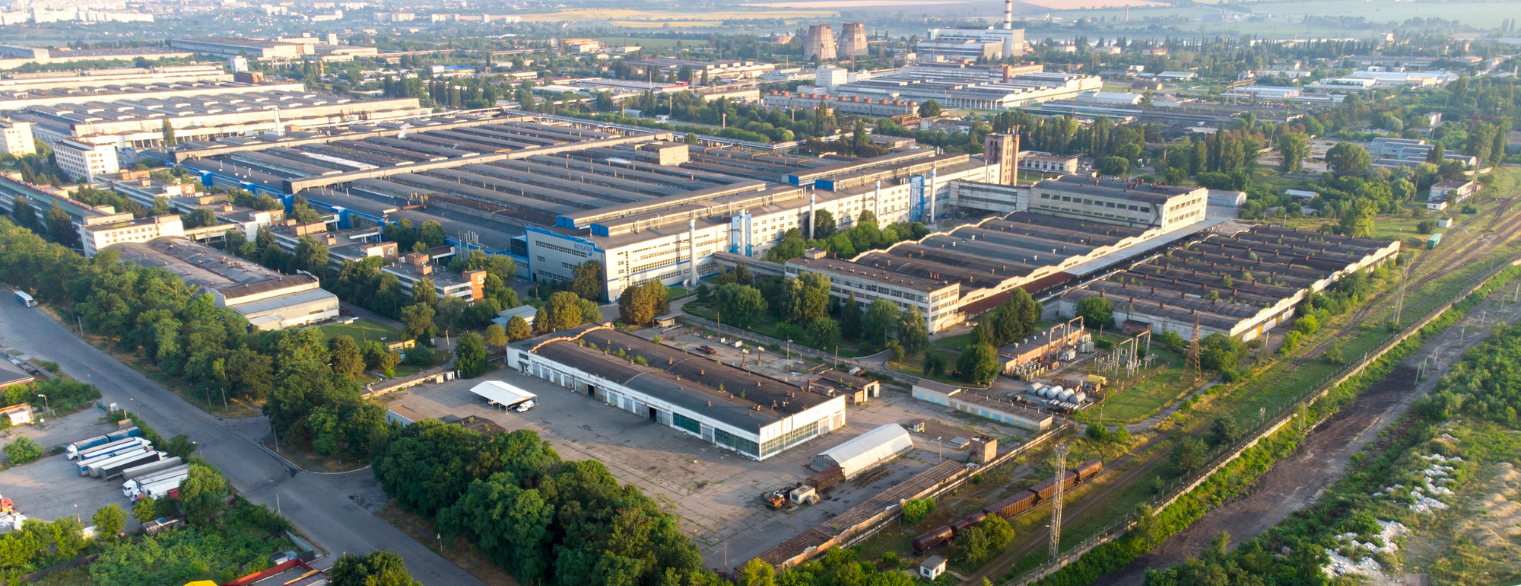
Why businesses are choosing Visakhapatnam for warehousing and distribution
Manufacturing and warehousing integration is crucial not only for industrial production but also has strong relevance across related sectors such as logistics, supply chain management, retail, e-commerce, and pharmaceuticals, where efficient coordination between production, storage, and distribution ensures timely delivery, reduces errors, and lowers operational costs; in the automotive and electronics industries, for example, synchronized manufacturing and warehousing streamline inventory management and support just-in-time production, while in food and beverage or consumer goods sectors, integration helps maintain product quality, meet regulatory compliance, and enhance customer satisfaction by ensuring that products are available when and where they are needed.
In today’s fast-paced industrial environment, businesses face constant pressure to deliver products efficiently, accurately, and on time. Customers expect seamless service from production to delivery, and the key to meeting these expectations is integration of manufacturing and warehousing operations. Aligning production with storage and distribution ensures operational efficiency while creating a superior customer experience. Companies that successfully integrate these functions reduce costs, improve accuracy, and foster customer loyalty.
Manufacturing and warehousing often operate independently. Production teams focus on creating products efficiently, while warehouse teams manage inventory and fulfil orders. When these areas are not synchronized, inefficiencies arise stock discrepancies, delayed shipments, overproduction, and higher operational costs.
From a customer perspective, these challenges can result in late deliveries, missing items, or incorrect orders, all of which can erode trust. Integration ensures that inventory is accurately tracked, production schedules are optimized, and orders are fulfilled promptly. This makes operations smoother and positions businesses to meet customer expectations consistently.
Effective warehouse management is critical to bridging production and storage. By implementing the right strategies, businesses can streamline operations while ensuring customers receive products on time:
Monitoring inventory in real-time allows teams to make informed decisions. Knowing what materials are available and where they are stored prevents overproduction and reduces waste. Customers benefit from consistent availability of products and faster order fulfillment.
The physical layout of a warehouse affects efficiency. Strategic placement of racks clearly marked pathways, and dedicated zones for different product types reduce handling time and errors. High-demand items should be stored near packing areas to speed up order processing.
Warehouse staff who understand production schedules can manage inventory more effectively. Cross-training also allows employees to handle multiple responsibilities, maintain consistent performance, and quickly adapt during peak periods or staffing shortages.
Modern warehouse management systems for manufacturing automate inventory updates, track product locations, and provide actionable insights. Automation reduces human error, improves accuracy, and helps managers forecast demand more effectively.
Efficient logistics and warehousing integration ensure that storage and distribution work together to meet customer expectations. When logistics and warehousing are aligned, businesses can respond quickly to demand changes while maintaining delivery accuracy.
By synchronizing warehouse operations with transportation, shipments leave on time, reducing delays and optimizing shipping costs. Customers experience faster delivery and fewer disruptions.
Integrated systems provide visibility into products from production to delivery. Customers can track their orders in real-time, increasing transparency and confidence.
Integration supports multiple fulfillment strategies, including just-in-time delivery, drop shipping, or direct-to-customer shipments. Flexibility allows companies to respond to demand spikes without compromising service quality.
Technology is at the heart of an integrated system that connects production, warehousing, and distribution. By linking these functions, companies can streamline operations, reduce errors, and enhance the customer experience.
Enterprise Resource Planning (ERP) software synchronizes production schedules with inventory levels, ensuring materials and products are available when needed. This reduces downtime and keeps customer orders on track.
Automated picking, sorting systems, and robotics improve speed and accuracy in the warehouse. Automation reduces human errors, allowing employees to focus on high-value tasks like quality control.
Data-driven tools provide visibility into inventory levels, production trends, and customer demand. Predictive analytics can anticipate shortages, ensuring customers always have access to the products they want. By leveraging technology, businesses reduce operational friction, improve accuracy, and deliver faster service, all of which enhance the customer experience.
The goal of integrating manufacturing and warehousing is to improve customer satisfaction. Every process from production planning to delivery should prioritize customer needs:
Coordinated operations shorten lead times, ensuring orders reach customers promptly.
Integrated systems ensure high-demand items are replenished efficiently, preventing stockouts and keeping customers satisfied.
Automation and real-time tracking reduce picking, packing, and shipping errors, which decreases returns and builds trust.
Providing customers with real-time order updates enhances transparency. Customers value knowing exactly when their products will arrive.
As customer demand grows, integrated systems can scale efficiently without affecting service quality, maintaining reliability during busy periods.
Implementing integration is not without its challenges:
Employees accustomed to siloed operations may be hesitant. Clear communication, training, and staff involvement in planning help overcome resistance.
Investment in advanced technology may be significant. However, long-term gains in efficiency, accuracy, and customer satisfaction provide substantial ROI.
Legacy systems may struggle to communicate effectively. Migrating to integrated platforms or using middleware ensures smooth data flow across manufacturing, warehousing, and logistics functions.
Manufacturing and warehousing integration is essential for businesses striving to remain competitive and customer focused. By following best practices in inventory and storage management and aligning logistics with production, companies can streamline operations and deliver a superior customer experience. Effective coordination between various functions within the organization, use of technology for real-time tracking, and continuous process improvements ensure that both production and storage are optimized.
The goal is to ensure the right products are produced, stored, and delivered at the right time. Businesses that prioritize seamless integration reduce errors, optimize operations, and build lasting customer trust. In a market where speed, accuracy, and transparency define success, integrating manufacturing and warehousing is key to staying ahead, minimizing costs, and keeping customers satisfied.