Why businesses are choosing Visakhapatnam for warehousing and distribution
India’s industrial ecosystem is entering a defining decade. Global supply chains are shifting, domestic consumption is accelerating, and infrastructure investment is expanding at an unprecedented scale. Together, these forces are reshaping the country’s industrial property landscape and creating new opportunities for developers, investors, and occupiers alike, reflecting the broader logistics real estate trends in India.
As India positions itself as a global manufacturing and logistics hub, the future of industrial real estate will increasingly depend on innovation, integration of technology into existing infrastructure, and strategic capital allocation. By 2030, industrial assets will evolve from simple storage and manufacturing spaces into intelligent, technology-enabled ecosystems that support modern supply chains. This transformation is already underway and will accelerate over the next several years.
India’s industrial real estate is entering a new growth cycle. Industrial property demand in India has historically followed economic growth and manufacturing expansion. However, the next growth phase is being driven by a broader set of structural forces. Key government initiatives, such as Make in India, Production-Linked Incentive (PLI) schemes, and investment-friendly policies in industrial corridors, are encouraging domestic manufacturing and attracting global companies to set up operations in India. Rising exports and supply chain diversification by multinational corporations are further boosting the focus on India’s industrial infrastructure.
At the same time, strong consumption growth is increasing the demand for efficient logistics networks capable of moving goods quickly across the country. These dynamics are pushing developers to rethink how industrial spaces are planned, designed, and managed. Rather than standalone warehouses or factories, the future points toward integrated ecosystems where manufacturing, storage, distribution, and technology operate seamlessly together. This transition reflects the evolving commercial and industrial real estate trends that are gradually reshaping India’s industrial real estate sector.
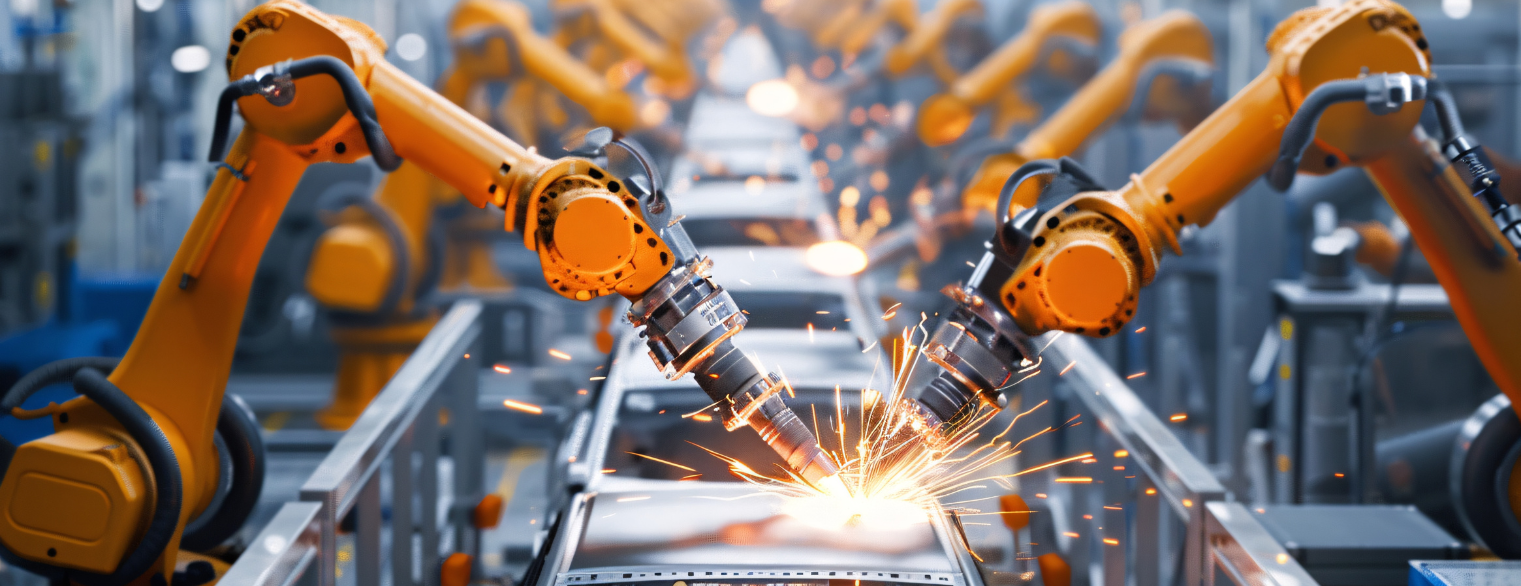
One of the strongest catalysts for the growth of industrial sector is the resurgence of manufacturing in India. With production-linked incentives and policy support encouraging domestic manufacturing, industries such as electronics, automotive, pharmaceuticals, and consumer goods are scaling operations across multiple states. India’s competitive labour costs, growing domestic market, and improving infrastructure make it an attractive destination for multinational manufacturers seeking diversification. As production capacities expand, companies will require large, strategically located industrial facilities that can accommodate advanced manufacturing technologies and integrated logistics operations. This manufacturing push will create sustained demand for modern industrial parks across major industrial corridors including western India, southern manufacturing clusters, and emerging northern hubs.
The rapid growth of online retail is fundamentally transforming logistics requirements in India. Consumers increasingly expect faster deliveries, forcing companies to build extensive distribution networks across the country. Modern warehouses are now designed with higher ceilings, automated systems, and digital inventory management tools that support high-volume operations. These facilities are also strategically located near urban centers to support same-day and next-day deliveries. The evolution of these facilities is gradually redefining the role of industrial real estate within the broader economy.
Another critical development shaping the sector is the rise of large, integrated logistics parks. These developments combine warehousing, distribution, transportation hubs, and support services within a single ecosystem. Such parks are typically located near airports, highways, rail freight corridors, and ports, enabling efficient multimodal transportation. The government’s infrastructure initiatives, particularly dedicated freight corridors and expressway networks are accelerating this shift. The future of logistics parks in India will involve highly connected logistics hubs capable of supporting national and international trade flows. These parks will play a major role in reducing logistics costs and improving supply chain efficiency. As a result, industrial clusters will increasingly develop around these connectivity nodes, creating new regional economic centers.
The next generation of industrial facilities will rely heavily on technology. Smart warehouses, automated inventory systems, and AI-driven logistics planning are already being adopted by leading companies. Technologies such as IoT sensors, predictive analytics, and digital twins allow operators to monitor equipment, manage energy consumption, and optimize operational efficiency in real time. For developers, this means designing infrastructure that supports automation, robotics, and digital connectivity from the outset. Industrial parks that integrate these capabilities will become more attractive to global tenants seeking technologically advanced supply chain solutions.
Sustainability considerations are becoming increasingly important in real estate development, and industrial assets are no exception. Energy-efficient buildings, solar power installations, water recycling systems, and green building certifications are rapidly becoming standard expectations among global occupiers and investors. Environmental performance is also closely tied to financial outcomes. Sustainable buildings often deliver lower operating costs and stronger long-term asset values. As environmental regulations tighten and corporate sustainability commitments strengthen, green infrastructure will become a defining characteristic of modern industrial developments.
The flow of institutional and private capital shows that industrial real estate investment in India is rising, driven by stable long-term returns, strong demand, and lower vacancy risks compared to other property types. This growth is supported by REIT-like structures and collaborations between developers and global funds, which are helping to professionalize the sector.
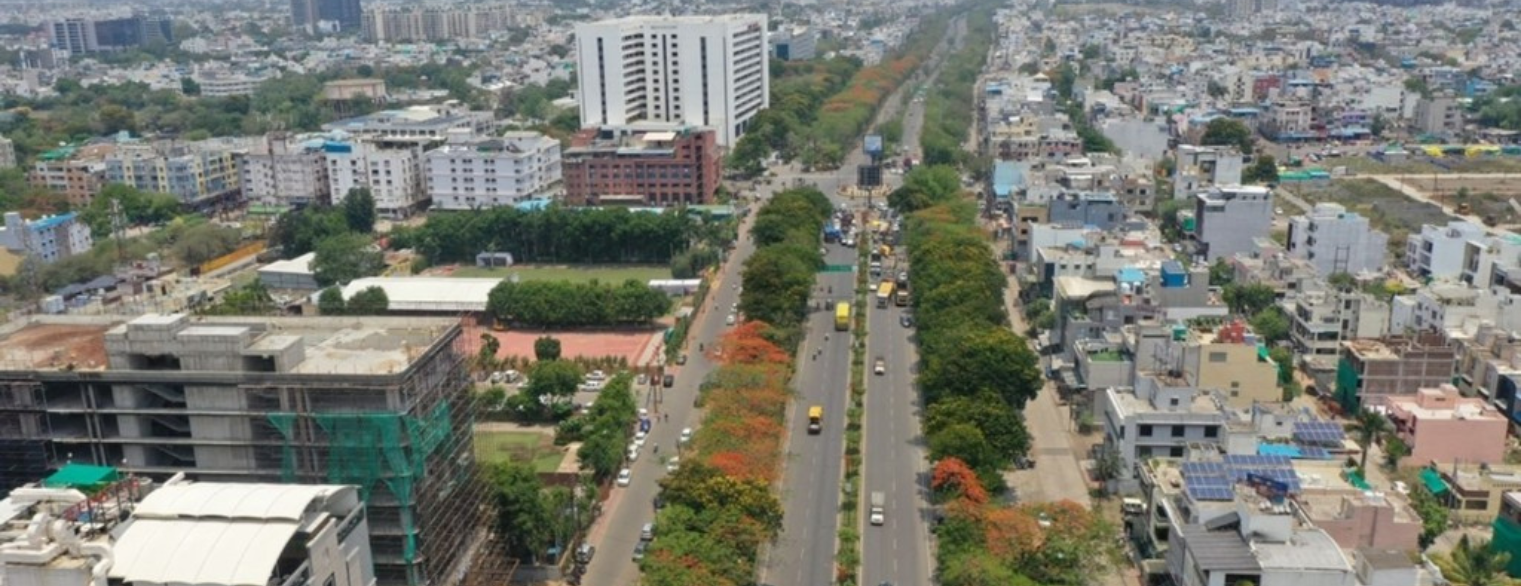
While major metropolitan regions such as Mumbai, Delhi, Bengaluru, and Chennai currently dominate industrial development, the next decade will likely see increasing activity in tier-2 and tier-3 cities. These locations offer lower land costs, improving infrastructure, and growing local markets. As connectivity improves through expressways, freight corridors, and regional airports, these cities will become attractive alternatives for manufacturing and logistics operations. Decentralization of industrial development will help distribute economic growth more evenly across regions while easing pressure on major metropolitan areas.
Despite strong growth potential, several structural challenges remain. Land acquisition processes can still be complex and time-consuming, especially for large-scale industrial projects. Infrastructure gaps in emerging regions may also slow development in certain markets. Additionally, the availability of a skilled workforce capable of operating advanced manufacturing and logistics technologies will become increasingly important. Addressing these challenges will require coordinated efforts from policymakers, developers, and industry stakeholders.
Industrial real estate is no longer a peripheral segment of the property market. It has become a critical enabler of economic growth, supply chain efficiency, and industrial competitiveness. The future of industrial real estate in India by the end of this decade will likely be far more sophisticated and integrated than it is today. Industrial parks will evolve into multi-functional ecosystems that combine manufacturing facilities, advanced warehouses, R&D centers, and digital infrastructure. Technology-enabled supply chains will drive operational efficiency, while sustainable design will become a standard feature of new developments. Most importantly, industrial real estate will play a central role in supporting India’s ambition to become a global manufacturing and export powerhouse.
Over the next decade, stakeholders who anticipate shifts in manufacturing, logistics, technology, and sustainability will be best positioned to capture emerging opportunities. For developers, this means designing adaptable and future-ready assets. For investors, it requires identifying long-term structural demand drivers. And for policymakers, it calls for continued infrastructure development and regulatory support. If these elements align, India’s industrial real estate sector could become one of the most dynamic and strategically important segments of the global property market by 2030.