Why businesses are choosing Visakhapatnam for warehousing and distribution
A Central India Story of Connectivity, Commerce, and Capability
When businesses think about distribution in India, geography often dictates strategy. In this context, Indore’s location is more than just central—it is strategic. Positioned in the heart of the country, the city provides efficient access to markets in western, northern, and southern India, allowing companies to reduce transportation time and streamline supply chains across multiple regions.
Over the past decade, the city has steadily transformed into a logistics nerve centre. The evolution has been driven by multiple factors: a strong industrial base in nearby Pithampur, improved highways, and a growing ecosystem of manufacturing, retail, and e-commerce companies. Today, the conversation around warehousing and logistics infrastructure in Indore is no longer about potential but about rapid expansion and real economic impact.
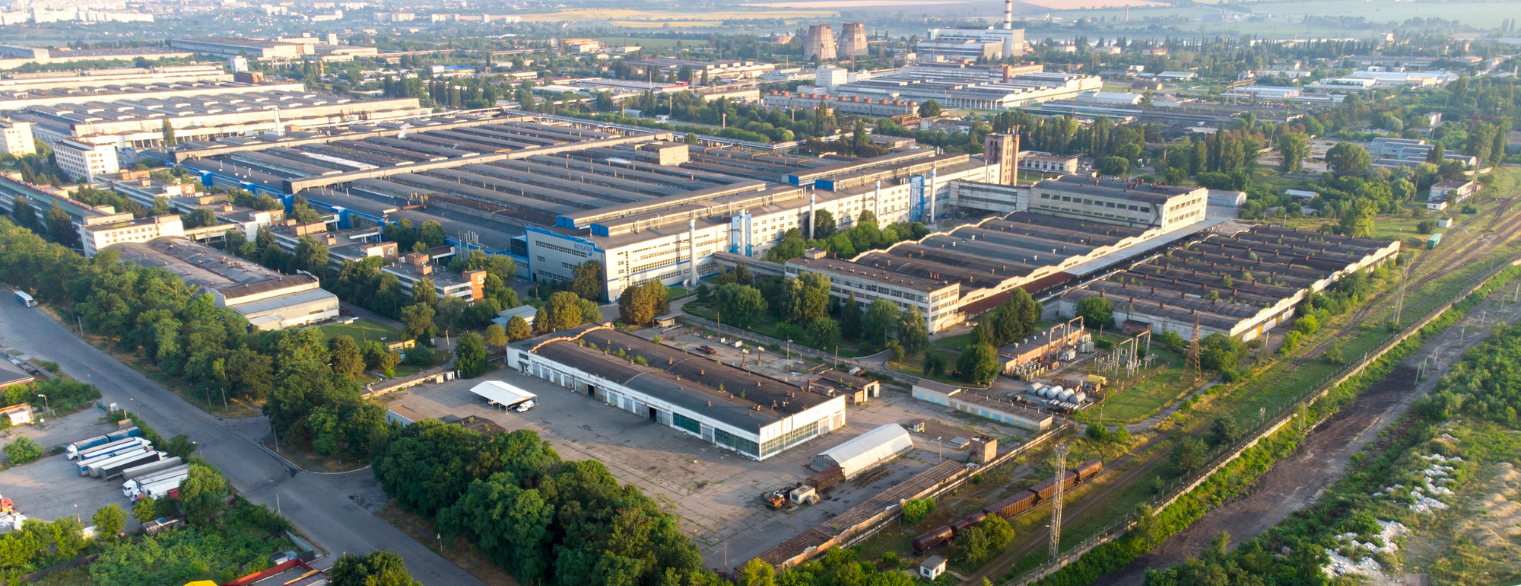
The rise of logistics infrastructure in the region is deeply connected to Indore’s industrial ecosystem. The nearby Pithampur industrial zone, often referred to as the “Detroit of India”—hosts automotive, engineering, pharmaceutical, and textile manufacturers. As manufacturing output grows, so does the need for storage, consolidation, and distribution infrastructure. Businesses require large storage spaces, efficient cargo movement systems, and integrated supply chain solutions.
This demand has accelerated the growth of warehousing in Indore, with developers and logistics operators investing in modern facilities designed to support high-volume distribution networks. Such infrastructure ensures that goods manufactured in the region can reach markets across India quickly and efficiently, strengthening Indore’s role in national supply chains.
Infrastructure development is one of the biggest drivers behind Indore’s logistics transformation. Major public and private investments are creating a robust framework that supports industrial expansion. The region is seeing new highway connections that is expected to improve connectivity to national transport corridors.
For example, a major highway project connecting Ujjain to the Delhi–Mumbai Expressway will enhance freight movement and strengthen links between Indore and other industrial hubs. These infrastructure upgrades will reduce travel time, lower logistics costs, and enable businesses to move goods more efficiently across the country.
Alongside public infrastructure projects, private developers are playing a critical role in expanding logistics capacity. In recent years, developers have begun building large, Grade-A facilities that meet international standards. These developments include advanced FM2 type flooring, dedicated loading and unloading docks, high ceilings for optimal use of space, and integrated NBC standard fire safety systems that are essential for modern logistics operations.
These parks provide businesses with scalable and sustainable infrastructure, enabling companies to expand distribution operations without needing to build their own logistics facilities.
Modern warehousing is no longer just about storage; it is about intelligent operations. New facilities being developed in the region incorporate technologies such as warehouse management systems (WMS), transport management systems (TMS), automated inventory tracking, integrated safety systems, as well as advanced technologies including artificial intelligence (AI) and the Internet of Things (IoT).
For instance, recently established warehouses in the region support multi-client operations with racked storage, advanced compliance systems, and technology-driven inventory management. These advancements are transforming traditional storage spaces into high-performance warehousing facilities in Indore, capable of supporting complex supply chains and large-scale distribution networks. Technology improves operational visibility, allowing companies to track goods in real time and optimize inventory flows across multiple locations.
Indore’s logistics growth is closely tied to its expanding transportation network. National highways such as NH-47 connect the region to major economic centres, enabling seamless freight movement to western ports and northern consumption hubs. This connectivity allows companies to distribute goods quickly across large geographic areas.
At the same time, the upcoming Indore-Pithampur economic corridor is expected to significantly ease freight movement, reduce travel time between Indore and Pithampur and create plug-and-play infrastructure for industries such as auto, engineering, pharmaceuticals and logistics. Together, these improvements are creating a network of industrial and logistics parks in Indore that can efficiently integrate road, rail, and regional distribution systems.
Large warehousing facilities, logistics parks and industrial hubs generate employment across multiple sectors. From warehouse operators and truck drivers to technology specialists and supply chain managers, the industry supports a wide range of careers. Additionally, the region has prepared thousands of hectares of industrial land to accommodate new investments and manufacturing units.
This initiative could attract billions of rupees in investments and create tens of thousands of jobs across industries. The combined impact is a powerful cycle of growth: infrastructure attracts industry, industry drives logistics demand, and logistics infrastructure strengthens economic development.
With ongoing investments in highways, industrial corridors, and multi-modal logistics parks, the city is steadily positioning itself as one of India’s most important logistics and warehousing hubs in Central India. As manufacturing and e-commerce continue to expand across India, demand for efficient storage, distribution, and freight management will only increase. In this context, Indore’s warehousing and logistics infrastructure is poised to play a critical role in shaping supply chains across central India and beyond.
Indore’s transformation into a logistics hub is not just the result of a single project or policy. It is the outcome of multiple forces working together: strategic geography, industrial growth, infrastructure investment, and private sector participation. As these developments continue to unfold, Indore is steadily moving from being a regional industrial centre to becoming a national logistics powerhouse, one that connects markets, industries, and opportunities across India.