The Rise of Warehousing and Logistics Infrastructure in Indore
In recent years, Visakhapatnam has emerged as one of India’s most promising logistics hubs. Located on the eastern coast of the country, the city offers a powerful combination of port connectivity, expanding infrastructure, and growing industrial activity. These factors have encouraged warehousing and distribution companies from sectors such as e-commerce, manufacturing, pharmaceuticals, and retail to invest in large-scale storage and supply chain facilities here. As businesses seek faster distribution, reduced operational costs, and reliable connectivity to domestic and international markets, the demand for warehousing and distribution in Visakhapatnam continues to rise. The city’s evolving logistics ecosystem makes it a strategic location for companies planning regional and national distribution networks.
One of the primary reasons companies are moving their supply chains to Visakhapatnam is its strategic location along the Bay of Bengal. The city hosts one of India’s busiest ports, providing seamless access to international shipping routes and serving as a gateway for trade with southeast Asia and other global markets. The port handles a wide range of cargo including bulk commodities, petroleum products, containers, and industrial goods. With deep draft berths, modern cargo-handling equipment, and integrated customs facilities, the port enables efficient import and export operations. For businesses dealing with global supply chains, proximity to such a major maritime gateway significantly reduces transit time and logistics costs. This advantage has made the city an attractive base for logistics operators and manufacturers.
Connectivity plays a critical role in modern supply chains, and Visakhapatnam excels in this area. The city is well connected to major industrial regions through national highways, rail networks, and upcoming expressways. Key transport corridors link Visakhapatnam to cities like Hyderabad, Raipur, Nagpur, and Kolkata, making it an ideal distribution point for eastern and central India. Infrastructure projects are further enhancing these connections. For instance, the upcoming Raipur–Visakhapatnam expressway is expected to significantly improve cargo movement between central India’s mining and manufacturing zones and the port. Such developments are enabling businesses to deliver goods faster across multiple states while maintaining cost efficiency.
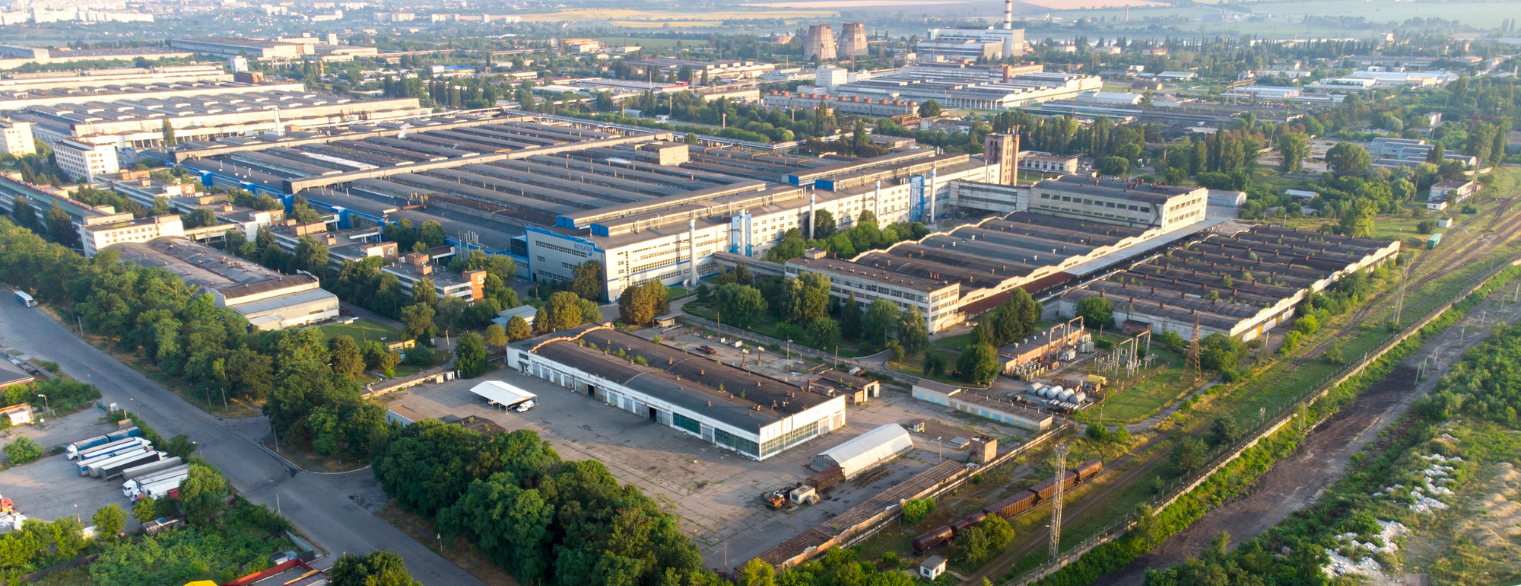
Visakhapatnam has long been known for industries such as steel, petroleum refining, shipbuilding, and pharmaceuticals. Over time, the city has diversified into electronics manufacturing, food processing, and automotive components. The presence of major industrial zones and manufacturing clusters naturally creates strong demand for logistics infrastructure. Companies operating in these sectors require reliable storage facilities to manage raw materials, finished products, and distribution networks. As a result, industrial warehousing in Visakhapatnam is witnessing significant growth. Large facilities with advanced storage systems, high load capacity floors, and modern safety features are being developed to support diverse industries.
To meet the increasing demand for storage and distribution, several modern logistics parks and integrated warehousing facilities are being developed in and around the city. These facilities provide features such as high-clearance warehouses, efficient truck circulation areas, fire safety systems, and sustainable infrastructure. For example, new logistics parks developed by major industrial infrastructure companies offer built-to-suit warehouses and large ready-to-move spaces designed for high-growth sectors like pharmaceuticals, automobiles, and electronics. The rise of modern, Grade – A logistics parks in Visakhapatnam is transforming the city into a modern supply chain hub. These integrated facilities bring together storage, distribution, transportation, and value-added logistics services in one location.
Another major advantage of Visakhapatnam is its multimodal logistics ecosystem. Facilities in the region integrate road, rail, and sea connectivity, allowing goods to move efficiently between transportation modes. For instance, multimodal logistics hubs near the port provide container freight stations, warehouses, rail sidings, and temperature-controlled storage. These facilities allow businesses to handle both domestic and export cargo efficiently while reducing handling time and operational complexity. This multimodal capability is particularly valuable for industries such as pharmaceuticals, seafood processing, and fast-moving consumer goods that rely on fast and reliable distribution.
Government initiatives and industrial policies have also played an important role in boosting the logistics sector in Visakhapatnam. Authorities are investing heavily in infrastructure development, port expansion, and industrial corridors to attract businesses and improve supply chain efficiency. Strategic plans aim to transform the Visakhapatnam economic region into a major global economic hub in the coming decades, with logistics and port-based manufacturing playing key roles in this vision. Such initiatives not only encourage private investment but also improve the overall ease of doing business in the region.
The rapid growth of e-commerce and organized retail in India has increased the need for efficient distribution centers across the country. Companies are increasingly establishing regional fulfillment centers in tier-2 cities to ensure faster deliveries. Visakhapatnam’s strategic location allows companies to serve large consumer markets across Andhra Pradesh, Odisha, Telangana, and parts of eastern India. As online shopping continues to grow, demand for warehousing in Visakhapatnam is expected to increase further. These facilities enable businesses to store inventory closer to customers, reduce delivery times, and manage high order volumes during peak seasons.
Another advantage that attracts businesses to the region is the availability of a skilled and cost-effective workforce. Educational institutions and industry initiatives are helping develop logistics and supply chain talent in the city. Training programs and industry collaborations are encouraging students and professionals to pursue careers in logistics, which supports the growing demand for skilled manpower in warehousing operations, supply chain management, and distribution planning. This talent pool ensures that companies can efficiently manage large-scale logistics operations.
Compared to major metropolitan logistics hubs such as Mumbai, Bengaluru, or Hyderabad, Visakhapatnam offers relatively lower land and operational costs. Businesses can acquire or lease larger warehouse spaces at competitive prices while maintaining access to world-class infrastructure. Lower real estate costs, combined with government incentives and improved connectivity, make the city an attractive option for companies looking to expand their logistics footprint without significantly increasing operational expenses. As a result, many businesses are choosing warehousing solutions in Visakhapatnam to optimize costs while maintaining high service levels.
The transformation of Visakhapatnam into a logistics and industrial hub is only beginning. Continuous infrastructure development, increasing port capacity, and expanding industrial activities are expected to further strengthen the city’s supply chain ecosystem. From multinational manufacturers to fast-growing e-commerce companies, businesses are recognizing the strategic advantages the city offers. With modern facilities, strong connectivity, and supportive policies, warehousing and distribution in Visakhapatnam is set to play a crucial role in India’s evolving logistics landscape. For companies looking to build efficient, scalable, and cost-effective supply chains, Visakhapatnam stands out as a destination with immense potential and long-term growth opportunities.