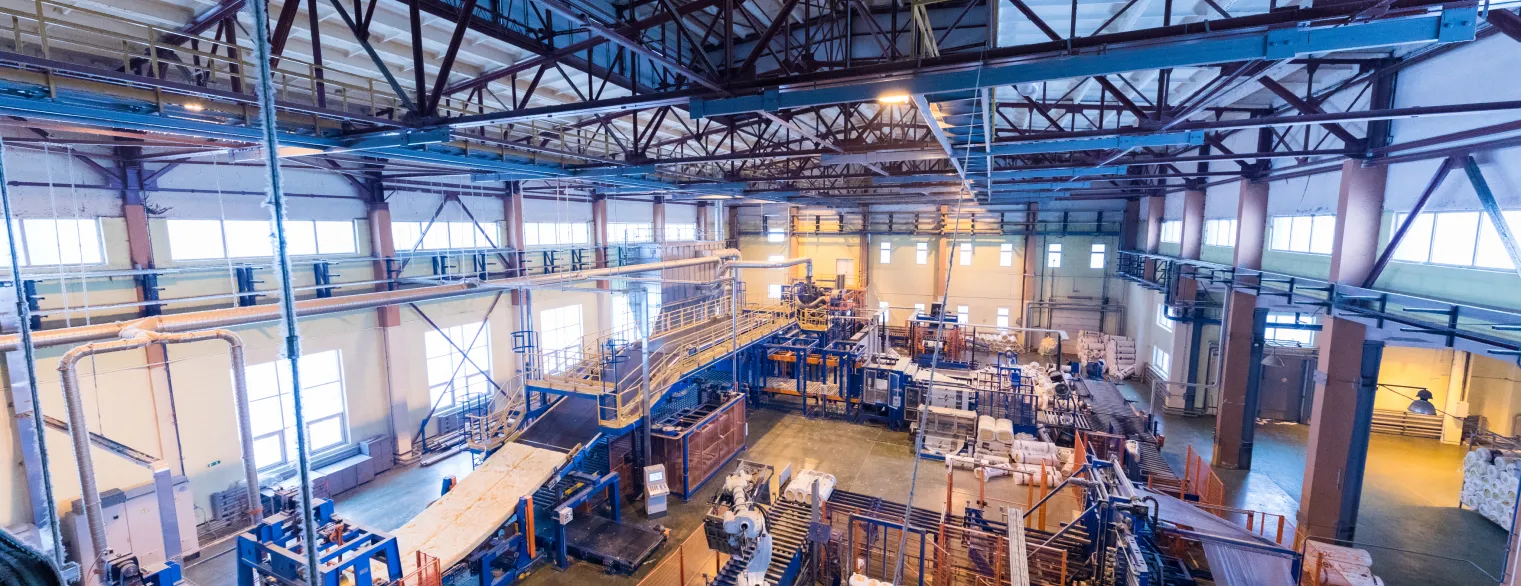
‘Grade-A’ Warehousing refers to state-of-the-art storage facilities that meet international standards of quality, safety, and efficiency. In the context of India, the evolution of such warehousing reflects the country’s journey towards modernizing its logistics infrastructure to meet the demands of a rapidly growing economy.
Historical Context of Warehousing in India
Historically, warehousing in India faced challenges rooted in a lack of standardization and outdated infrastructure. Storage facilities were often characterized by inefficiencies, limited technology integration, and inadequate safety measures.
Early Challenges
The initial phase of warehousing in India was marred by infrastructure limitations, hindering seamless operations. The absence of standardized facilities meant that businesses struggled with inconsistent storage conditions, leading to issues related to product quality and safety.
Transformational Phases
Over time, the warehousing landscape in India underwent a significant transformation. The adoption of advanced technologies played a pivotal role. Automated systems, RFID tracking, and warehouse management software enhanced efficiency and accuracy in inventory management. Simultaneously, the embrace of international standards in construction and operation elevated the quality of warehouses.
E-commerce emerged as a primary driver of upgrades in warehousing. The surge in online retail demanded sophisticated storage solutions to manage large inventories and facilitate quick order fulfillment. This shift influenced the development of ‘Grade-A’ Warehousing as companies invested in modern facilities to meet the demands of e-commerce giants.
Grade A Warehousing Journey and Characteristics
Grade A warehousing refers to high-quality, modern storage facilities that adhere to stringent standards. The journey of Grade A warehousing involves a commitment to excellence in design, construction, and operational efficiency, ultimately providing optimal storage solutions for businesses across industries.
Strategic Location: Grade A warehouses are strategically located in key logistics hubs, ensuring proximity to major transportation routes, ports, and distribution centers. This enables swift and cost-effective movement of goods, reducing lead times and enhancing supply chain efficiency.
State-of-the-Art Infrastructure: Characterized by cutting-edge infrastructure, Grade A warehouses boast advanced technology, automated systems, and robust security measures. These facilities are designed to accommodate the evolving needs of modern logistics, integrating IoT devices and smart systems to enhance inventory management and tracking.
Sustainability and Environmental Considerations: A notable aspect of Grade A warehousing is a focus on sustainability. These facilities incorporate eco-friendly practices, utilizing energy-efficient systems, waste reduction measures, and environmentally conscious construction materials.
Flexibility and Scalability: Grade A warehouses offer flexible and scalable solutions to accommodate the dynamic nature of businesses. Adaptable layouts, high ceilings, and customizable storage options provide versatility to meet varying storage requirements.
Quality Assurance and Compliance: Stringent quality assurance standards govern Grade A warehousing, ensuring compliance with industry regulations. These facilities adhere to safety protocols, fire codes, and other regulatory requirements, fostering a secure environment for stored goods.
Current Landscape
Today, India boasts several key players in the ‘Grade-A’ warehousing sector, offering world-class facilities. This shift has not only improved supply chain efficiency but has also had positive economic implications. The enhanced warehousing capabilities contribute to attracting foreign investments, fostering a robust logistics ecosystem.
Future Trends
The evolution of ‘Grade-A’ Warehousing is poised to continue. The integration of automation and robotics is expected to streamline operations further, reducing human error and increasing overall efficiency. Sustainable warehousing practices, driven by environmental concerns, are likely to gain prominence, promoting energy-efficient and eco-friendly facilities. Additionally, regulatory changes are anticipated to shape the industry, influencing standards and compliance requirements.
Final Note
The evolution of ‘Grade-A’ Warehousing in India reflects a journey from a fragmented and inefficient system to a sophisticated, technology-driven infrastructure. The prospects for the future are promising, with continued advancements in automation, sustainability, and regulatory frameworks ensuring that India’s warehousing sector remains at the forefront of global standards. As the nation continues to grow economically, its warehousing capabilities will play a crucial role in supporting and sustaining this growth.
Related Resources
Top 10 benefits of partnering with a full-service industrial solutions provider