Why Chakan continues to be Pune’s top industrial and warehousing destination
Industrial zones have historically been hubs of manufacturing, logistics, and trade, providing businesses with the infrastructure they need to operate efficiently. Traditionally, management relied on manual supervision, routine inspections, and paper-based record-keeping. Today, industrial park management is increasingly technology-driven, enabling smoother operations, improved safety, and better tenant satisfaction, while anticipating challenges before they escalate.
A major leap in modernization is the adoption of smart industrial park solutions. These platforms integrate multiple aspects of park operations, including energy management, maintenance scheduling, traffic control, and emergency response coordination. Centralized dashboards provide administrators with real-time insights, enabling proactive decision-making and faster responses to operational issues. For example, energy usage patterns can be monitored to identify inefficiencies, while predictive maintenance schedules reduce unexpected equipment failures. This holistic approach not only streamlines daily management but also enhances the attractiveness of the park for prospective tenants seeking reliable, technologically advanced facilities.
Security is a top priority for industrial zones, and modern technology has significantly improved the way it is managed. Automated security systems for industrial parks now include AI-driven surveillance cameras, intelligent access control, and real-time anomaly detection. These systems monitor activity around the clock, instantly alerting security personnel to potential breaches or unusual movements. Beyond preventing unauthorized access, automation ensures faster response times during emergencies, protecting both employees and critical assets. A secure environment boosts the reputation of industrial zones, attracting tenants who value both safety and operational reliability.
The Internet of Things (IoT) has revolutionized monitoring and data collection in industrial zones by allowing continuous tracking of machinery, environmental conditions, energy usage, and vehicle movement. Sensors provide real-time data that helps administrators anticipate maintenance needs, reduce downtime, and optimize resource allocation. For instance, vibration or temperature anomalies in machinery can trigger maintenance alerts before failures occur, minimizing disruption to operations. This data-driven approach enhances efficiency, ensures reliability, and transforms industrial parks into highly responsive operational hubs.
Another cornerstone of modern industrial zones is digital infrastructure management. High-speed connectivity, cloud-based platforms, and integrated communication networks allow for seamless operations and better collaboration among tenants. Centralized digital portals enable businesses to report issues, schedule maintenance, or access shared resources quickly and efficiently. These platforms often include analytics capabilities that help administrators track resource usage and plan infrastructure upgrades more effectively. Digitally managed infrastructure not only improves operational efficiency but also reduces administrative overhead, creating a smoother experience for both tenants and managers.
Sustainability has become a critical factor in industrial operations, and technology plays a key role in achieving it. Energy management systems, automated water distribution, and waste tracking platforms help industrial zones operate more responsibly. Real-time monitoring allows administrators to identify inefficiencies and implement corrective measures immediately. Moreover, data-driven strategies promote the adoption of renewable energy sources and environmentally friendly construction materials, aligning operations with corporate social responsibility goals. Sustainable practices reduce environmental impact, lower operational costs, and enhance the appeal of industrial zones to eco-conscious tenants and investors.
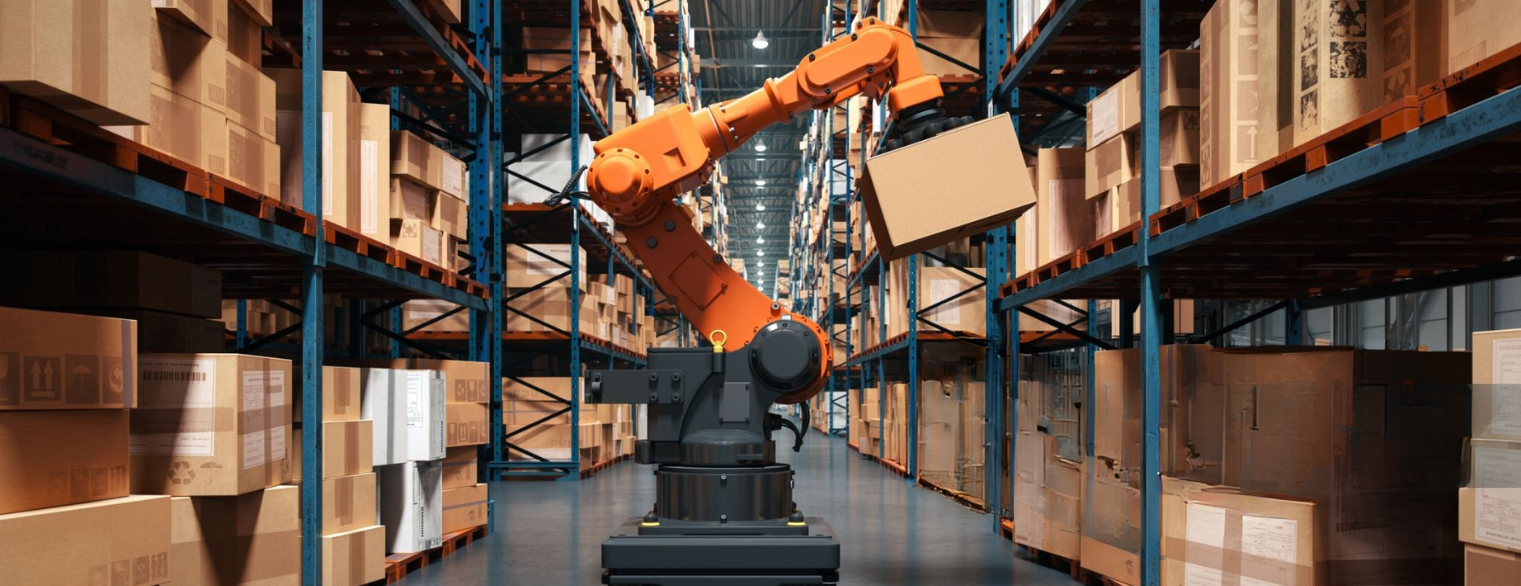
Transportation and logistics are vital components of any industrial zone. Technology is optimizing the movement of goods, vehicles, and personnel within these areas. Digital traffic monitoring systems track vehicle flow, streamline delivery schedules, and prevent congestion. Some industrial zones are experimenting with autonomous or semi-autonomous vehicles to reduce labor costs and improve efficiency. Integration with regional transport networks ensures smooth connections between suppliers, manufacturers, and markets. Efficient logistics not only reduce costs and transit times but also create a safer and more predictable environment for employees and visitors alike.
Technology has also improved how industrial zones interact with tenants. Mobile applications and online portals provide real-time information on maintenance schedules, parking availability, environmental alerts, and service requests. These platforms facilitate direct communication between tenants and administrators, allowing problems to be resolved quickly and efficiently. Integrated feedback mechanisms help managers respond to tenant needs and foster a collaborative environment. By improving engagement and responsiveness, industrial zones create a tenant-centric ecosystem that enhances satisfaction, retention, and overall park reputation.
Artificial intelligence (AI) and machine learning are increasingly being applied to industrial operations. AI can analyse historical and real-time data to optimize energy usage, predict equipment wear, and streamline operational workflows. For example, automated energy management can adjust lighting, heating, or cooling based on occupancy patterns, reducing costs while maintaining comfort. Predictive maintenance models help schedule repairs efficiently, preventing unplanned downtime. AI can also detect anomalies in surveillance data or operational metrics, enhancing both safety and operational performance. By leveraging AI, industrial zones transform into adaptive environments capable of continuous optimization.
With growing reliance on digital tools and connected devices, cybersecurity has become a top concern. Modern industrial zones implement multi-layered security measures, including encrypted communications, secure access protocols, and continuous monitoring for potential threats. Protecting sensitive tenant and operational data is essential to maintaining trust and compliance with regulations. Effective cybersecurity ensures that digital platforms, IoT networks, and cloud-based infrastructure operate safely, reducing risks of disruptions caused by cyberattacks and maintaining the integrity of operations.
Investing in technology provides substantial long-term financial and strategic advantages. Operational efficiencies reduce energy costs, minimize equipment downtime, and optimize staffing. Digitally transparent operations attract tenants and investors seeking reliable, modern industrial environments. For developers and local governments, technology adoption increases the marketability of industrial zones, stimulates economic growth, and supports job creation. By integrating advanced tools, industrial zones can achieve measurable improvements in operational performance, tenant satisfaction, and overall competitiveness in the industrial real estate market.
Looking ahead, industrial parks will continue to evolve with emerging technologies. Innovations such as smart grids, autonomous logistics systems, augmented reality-assisted maintenance, and AI-driven planning tools are set to further enhance efficiency and resilience. Industrial parks will increasingly function as intelligent ecosystems that anticipate challenges, optimize resource allocation, and respond dynamically to changing operational demands. Facility managers will need to embrace continuous learning and innovation to ensure their parks remain competitive, sustainable, and attractive to tenants. The transformation of industrial zones through technology is comprehensive and far-reaching. From advanced monitoring systems and predictive maintenance to digital engagement platforms and automated security, technology enhances efficiency, safety, sustainability, and tenant experience. Industrial parks are no longer merely spaces for manufacturing and logistics—they are smart ecosystems capable of adapting to modern operational demands. By adopting these innovations, park operators can ensure that their facilities remain efficient, safe, and competitive, paving the way for future growth and resilience in a rapidly evolving industrial landscape.