Top 10 benefits of partnering with a full-service industrial solutions provider
In today’s fast-paced business environment, the logistics sector is undergoing a profound transformation. The rapid growth of e-commerce, rising customer expectations, and increasing global market complexities are driving organizations to rethink how they move, store, and deliver goods. At the center of this evolution is the rise of tech-enabled logistics parks that leverage technology to optimize supply chain flows and strengthen digital supply chain infrastructure. These parks are redefining operations by integrating automation, real-time data, and intelligent systems to enhance efficiency, responsiveness, and resilience.
The integration of IoT in logistics parks within infrastructure, vehicles, and inventory enables continuous data capture, from location tracking to temperature monitoring, equipment health, and throughput metrics. This level of visibility allows managers to make informed, real-time decisions, proactively address issues, and optimize workflows. In practice, this means fewer stockouts, reduced spoilage for perishable goods, and more reliable delivery schedules.
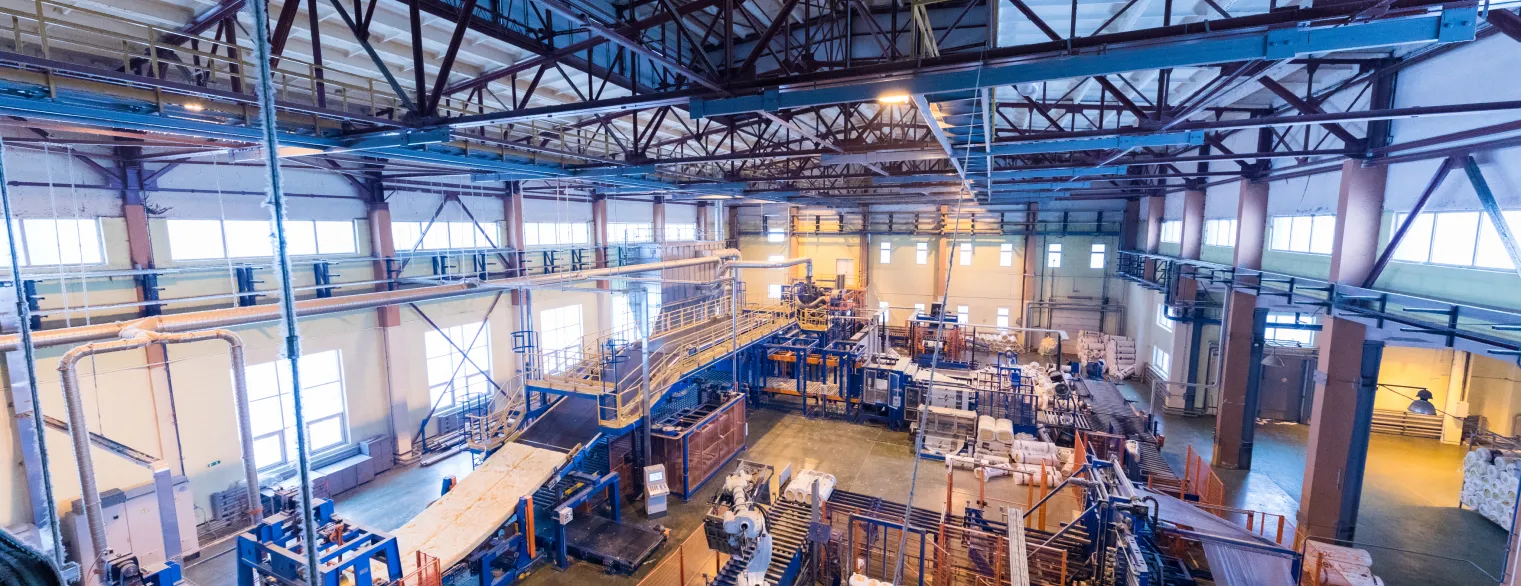
Automation has redefined operational efficiency in warehouses. Conveyor systems, robotic picking arms, and AGVs reduce reliance on manual labour while increasing accuracy and throughput. Facilities can operate around the clock with minimal human intervention, an essential capability for high-volume industries like fast-moving consumer goods (FMCG) and e-commerce. These technology-driven warehousing solutions help organizations scale operations quickly while maintaining consistent quality and performance.
AI algorithms process vast datasets to forecast demand, optimize resource allocation, and anticipate disruptions before they occur. Predictive analytics shift operations from reactive to proactive, enabling better planning for inventory replenishment, transportation scheduling, and workforce allocation. Over time, AI-driven insights allow companies to fine-tune processes and continuously improve operational efficiency.
Cloud platforms facilitate seamless data sharing across partners, carriers, and internal teams. Integration of Warehouse Management Systems (WMS), Transportation Management Systems (TMS), and Enterprise Resource Planning (ERP) creates a synchronized network where every element of the supply chain communicates in real-time. This interconnected ecosystem enables faster decision-making, more efficient collaboration, and improved responsiveness to market changes.
Real-time tracking of inventory and shipments provides companies with comprehensive insight into their operations. This transparency allows businesses to detect bottlenecks, anticipate delays, and share accurate delivery information with customers. For instance, IoT-enabled tracking combined with AI-powered forecasting can minimize stockouts and improve replenishment accuracy, enabling retailers and manufacturers to maintain optimal inventory levels. Improved visibility not only reduces operational risk but also strengthens customer trust and satisfaction.
By leveraging automation and intelligent systems, logistics hubs can process orders more quickly and accurately. The integration of robotics and data-driven decision-making reduces manual interventions, accelerates throughput, and ensures consistency, even during peak periods. Faster order fulfilment means shorter lead times, lower inventory holding costs, and improved responsiveness to market dynamics—advantages that are especially critical in highly competitive sectors like e-commerce, electronics, and consumer goods.
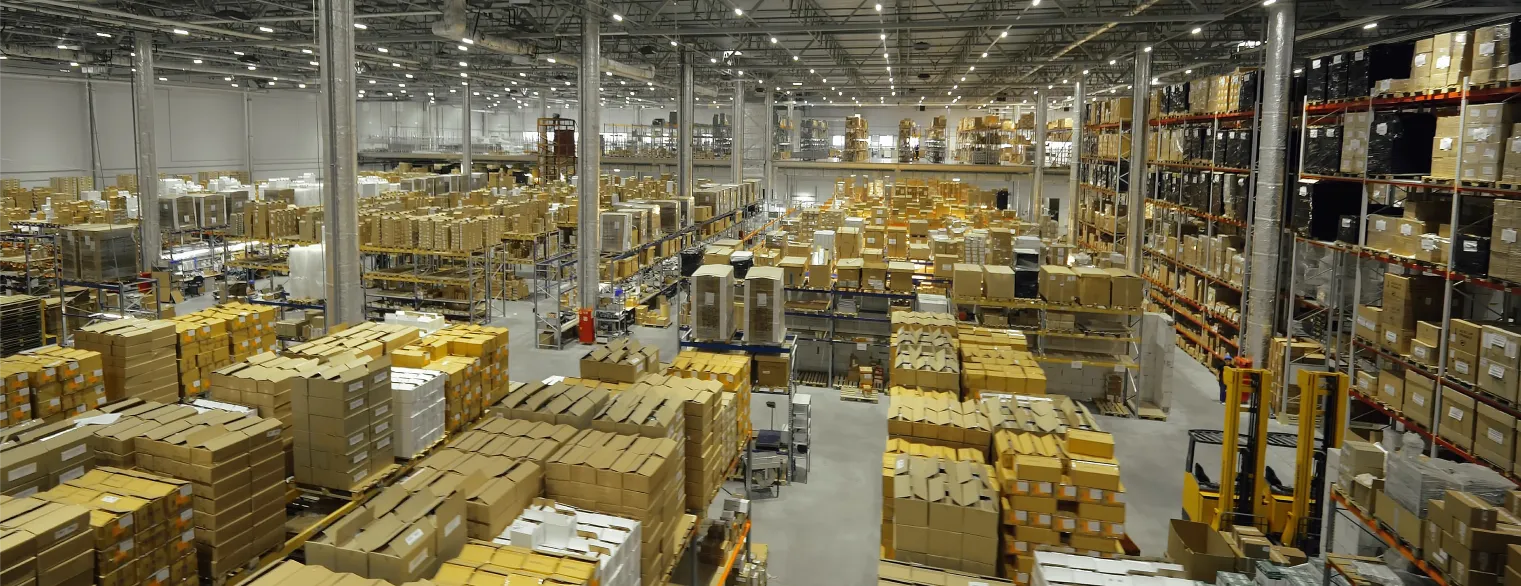
Advanced facilities optimize both human and physical resources. Automation reduces labour costs and errors, while predictive analytics improve demand planning and resource allocation. Space utilization is maximized through smart storage systems, and transportation is synchronized to reduce congestion and minimize empty miles. By streamlining operations from inbound shipments to cross-docking and outbound deliveries, businesses achieve significant savings in both time and cost.
Global supply chains are vulnerable to disruptions such as natural disasters, geopolitical events, and sudden shifts in demand. Technology-enabled hubs enhance resilience by providing real-time analytics, scenario modelling, and integrated risk management dashboards. Companies can reroute shipments, adjust inventory distribution, and respond proactively to unforeseen events, ensuring continuity of operations. This capability is particularly vital in industries such as pharmaceuticals, automotive, and critical parts manufacturing, where delays can have significant consequences.
Environmental responsibility is increasingly integrated into modern logistics planning. Many advanced facilities incorporate energy-efficient systems, intelligent lighting, and optimized transportation routes to reduce carbon emissions. Better inventory planning and coordination help minimize empty runs, lowering fuel consumption and environmental impact. Sustainability initiatives not only align with corporate social responsibility goals but also enhance brand reputation and attract eco-conscious customers and partners.
Companies investing in advanced logistics capabilities gain measurable advantages in speed, reliability, and cost efficiency. Faster fulfilment and superior service quality become key differentiators in markets such as retail, automotive, and electronics. Businesses that embrace these capabilities can respond more effectively to changing consumer behavior, outperform competitors, and capture market share.
The strategic location of logistics hubs has become a critical consideration. Facilities near highways, ports, rail networks, and urban centers enable faster last-mile delivery, increasing their value. This trend is reshaping real estate markets, with growing demand for large, well-connected plots and a push to modernize outdated facilities to support automation and integrated systems. Companies are increasingly viewing location and infrastructure as essential components of supply chain strategy, not just operational convenience.
As automation and digital platforms take on routine tasks, the workforce is evolving. Demand for skilled workers such as robotics technicians, data analysts, and logistics planners is rising. Organizations must invest in training and reskilling programs to ensure employees can thrive in technology-driven environments. While traditional roles may decline, new opportunities emerge in system management, process optimization, and strategic planning. This shift requires a balance of human expertise and technological capability to fully realize the potential of modern logistics ecosystems.
The modern logistics landscape is no longer defined solely by storage capacity or geographical reach. Modern logistics parks increase efficiency, reduce costs, improve responsiveness, and enhance resilience, enabling organizations to navigate an increasingly complex global market. For industries facing rapid digital commerce growth, evolving consumer expectations, and global uncertainties, investing in advanced logistics infrastructure is a strategic necessity. Companies that embrace these innovations will not only optimize current operations but also position themselves to respond to future disruptions and opportunities.
More than mere facilities, these parks form the foundation for a dynamic, data-driven, and competitive supply chain ecosystem that turns complexity into advantage. By adopting smart solutions, harnessing data, and integrating technology across every aspect of the supply chain, organizations can achieve a level of agility and precision that was once unimaginable. The future of logistics will be shaped by intelligent, interconnected systems, where smart logistics parks serve as critical enablers of speed, visibility, and operational excellence.