Why Chakan continues to be Pune’s top industrial and warehousing destination
In today’s fast-moving supply chain environment, warehouses have evolved beyond simple storage facilities to become strategic drivers of operational excellence, faster distribution, and higher profitability. With the rapid expansion of e-commerce, global trade, and just-in-time inventory practices, businesses understand that investing in advanced logistics infrastructure is essential to maintaining a competitive edge. Companies now prioritize factors such as superior structural specifications, optimized layouts, smart technology integration, enhanced safety compliance, and future-ready scalability, all of which distinguish a Grade-A warehouse and strengthen long-term supply chain performance.
India’s logistics sector has transformed dramatically over the past decade. The implementation of GST, the rise of digital commerce, improved highway and rail networks, and increasing consumer expectations have reshaped distribution strategies. Businesses are consolidating inventory into centralized hubs while establishing regional fulfillment centers to ensure rapid last-mile delivery. Modern warehouses must comply with strict warehouse compliance standards in India, covering structural integrity, fire safety, environmental regulations, and operational processes. Facilities meeting these requirements provide not just storage, but also reliability, safety, and operational efficiency, making them indispensable assets in today’s logistics ecosystem.
Location is critical. Warehouses situated near major highways, industrial corridors, ports, rail terminals, or airports significantly reduce transit times and transportation costs. Proximity to key consumption hubs and urban centers enhances order fulfillment speed and service levels. For sectors like e-commerce, FMCG, pharmaceuticals, and retail, strategic location is directly tied to customer satisfaction and supply chain responsiveness.
One defining attribute of modern facilities is high clear ceiling height, typically ranging from 10 to 12 meters or more. This enables vertical storage optimization through advanced racking systems, including drive-in racks and automated solutions. Higher ceilings allow businesses to maximize storage density without expanding the facility footprint, reducing per-unit storage costs while supporting scalable growth.
A facility with a large, unobstructed floor plate allows smooth material flow. Wide column spacing reduces movement restrictions for forklifts and pallet handling equipment. An optimized layout ensures efficient transitions between receiving, storage, picking, packing, and dispatch areas. By minimizing congestion and unnecessary movement, productivity improves while operational risks decrease, creating a safer and more streamlined environment.
Reinforced concrete flooring capable of supporting heavy inventory and industrial machinery is essential. High load-bearing capacity is critical for industries handling dense or bulky goods, such as automotive components, manufacturing, and bulk commodities. Durable flooring ensures long-term structural integrity, reduces maintenance costs, and enables safe material handling at high operational volumes.
Efficient loading and unloading systems are fundamental. Multiple dock doors, dock levellers, loading bays, and well-designed truck aprons facilitate smooth logistics operations. Separate entry and exit points for vehicles further streamline traffic flow and minimize turnaround times. These enhancements improve throughput, reduce operational delays, and support faster order processing.
Safety compliance is a non-negotiable aspect of modern warehousing. High-standard facilities are equipped with sprinklers, fire hydrants, smoke detectors, alarm systems, and clearly marked emergency exits. Emergency evacuation protocols and risk mitigation measures protect both personnel and inventory. Adherence to fire safety and structural regulations ensures operational continuity and lowers exposure to insurance and liability risks.
Modern warehouses are designed to accommodate advanced technologies such as Warehouse Management Systems (WMS), barcode scanning, RFID tracking, IoT sensors, and automation. Structured cabling and reliable power supply support seamless digital integration. This technological readiness improves inventory accuracy, operational visibility, and decision-making efficiency, giving businesses a competitive edge in high-volume, time-sensitive operations.
Sustainability has become a hallmark of premium facilities. Energy-efficient LED lighting, natural skylights, solar panels, and rainwater harvesting systems reduce operational costs while supporting environmental responsibility. In addition to cost savings, green design enhances corporate reputation, aligns with ESG goals, and helps attract environmentally conscious partners and clients.
Secured facilities include 24/7 CCTV surveillance, access control, perimeter fencing, and trained security personnel. These measures safeguard high-value goods and prevent unauthorized access. Strong security infrastructure ensures business continuity, mitigates theft or sabotage risks, and reinforces confidence among stakeholders.
High-quality warehouses are designed with flexibility and future growth in mind. Modular layouts, customizable storage configurations, and multi-tenant capabilities allow businesses to scale operations without costly relocations. This adaptability is essential for organizations planning to expand into new markets, integrate automation technologies, or accommodate seasonal fluctuations.
Selecting the right logistics facility delivers tangible benefits across operations, financial performance, and strategic positioning.
Optimized layouts, high ceilings, wide column spacing, and advanced docking systems enable smoother workflows. Reduced bottlenecks and faster material movement increase productivity, allowing more orders to be processed with fewer resources.
While premium facilities may involve higher upfront investment, long-term savings are significant. Energy-efficient systems, durable construction, and optimal space utilization reduce utility bills, maintenance costs, and the need for additional storage sites. These operational efficiencies strengthen profit margins and create a more sustainable business model.
Integration with WMS and other automation technologies enables real-time inventory tracking, minimizing discrepancies and stockouts. Accurate data improves demand forecasting, inventory turnover, and working capital management, resulting in a leaner and more responsive supply chain.
Strategic location and streamlined internal processes shorten delivery timelines. For e-commerce and retail companies, faster order fulfillment translates directly into higher customer satisfaction, repeat business, and stronger market positioning.
Comprehensive safety, security, and compliance measures reduce operational disruptions caused by accidents, theft, or regulatory penalties. Reliable infrastructure ensures consistent performance, even during peak demand periods or emergencies, enhancing overall business resilience.
Operating from a large-scale logistics warehouse enhances a company’s professional image. Clients, investors, and global partners often perceive well-maintained facilities as a sign of reliability and operational excellence. High-standard infrastructure strengthens credibility and supports strategic growth.
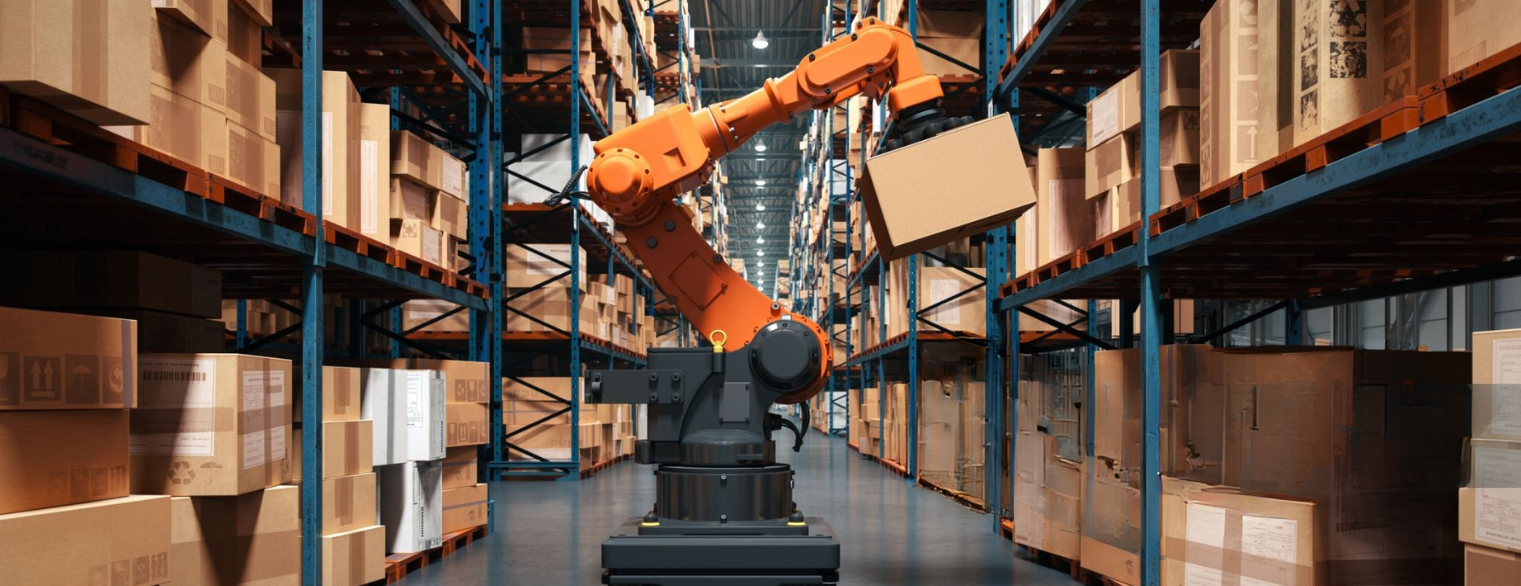
Modern facilities are equipped to accommodate robotics, automated sorting systems, and conveyor solutions. Investing in Modern warehousing infrastructure prepares businesses for technological advancements, increases efficiency, and enables continuous process improvement without structural constraints.
Flexible warehouse design allows organizations to expand storage capacity, integrate new technologies, or adapt workflows as operational requirements evolve. Scalability reduces the need for frequent relocations and supports long-term strategic planning.
Many multinational corporations and major retailers prioritize partners operating from high-quality facilities. Investing in such facilities can unlock opportunities for global contracts, new clients, and strategic partnerships, directly contributing to revenue growth and market expansion.
Improved efficiency, lower operational costs, better inventory control, faster fulfillment, and enhanced client trust collectively improve financial outcomes. High-quality facilities act as value-generating assets rather than mere cost centers.
Warehousing has evolved into a strategic pillar of modern supply chains. Grade A warehousing features—such as high ceilings, optimized layouts, advanced technology integration, and robust safety systems—make a facility more than just a storage space. Investing in such high-performance infrastructure is no longer a luxury; it is a strategic decision that boosts productivity, elevates customer satisfaction, and supports long-term growth. Companies that leverage these features are better positioned to thrive in an increasingly demanding and competitive supply chain environment.